:::

Precision Medicine Tool: Cerebral Perfusion Imaging Analysis and ECDaim Integrated Solution


Published:2026-06-29  13:49

【Technical Introduction】
 Nuclear medicine imaging is one of the few diagnostic tools capable of sensitively detecting brain abnormalities at an early stage. Among these techniques, cerebral perfusion imaging is commonly used to assess cerebrovascular diseases and assist in diagnosing Alzheimer’s disease and other forms of dementia. The NARI has developed an abnormal cerebral perfusion imaging analysis technique, combined with a brain function nuclear medicine imaging and feature database specifically designed for the local population, effectively highlighting abnormal brain regions.
Using data from a healthy population database, a brain degeneration baseline across continuous age ranges was established. A patented machine learning algorithm overcomes challenges posed by limited sample sizes and inter-institutional equipment differences, providing an age-inclusive and equipment-compatible cerebral perfusion template. Integrated with the self-developed ECDaim analysis software, this system automatically compares patient images with dynamically generated age-matched templates, helping physicians objectively interpret brain abnormalities. It also reduces the workload from increasing medical data and is expected to further enhance the accuracy of differential diagnosis for dementia.

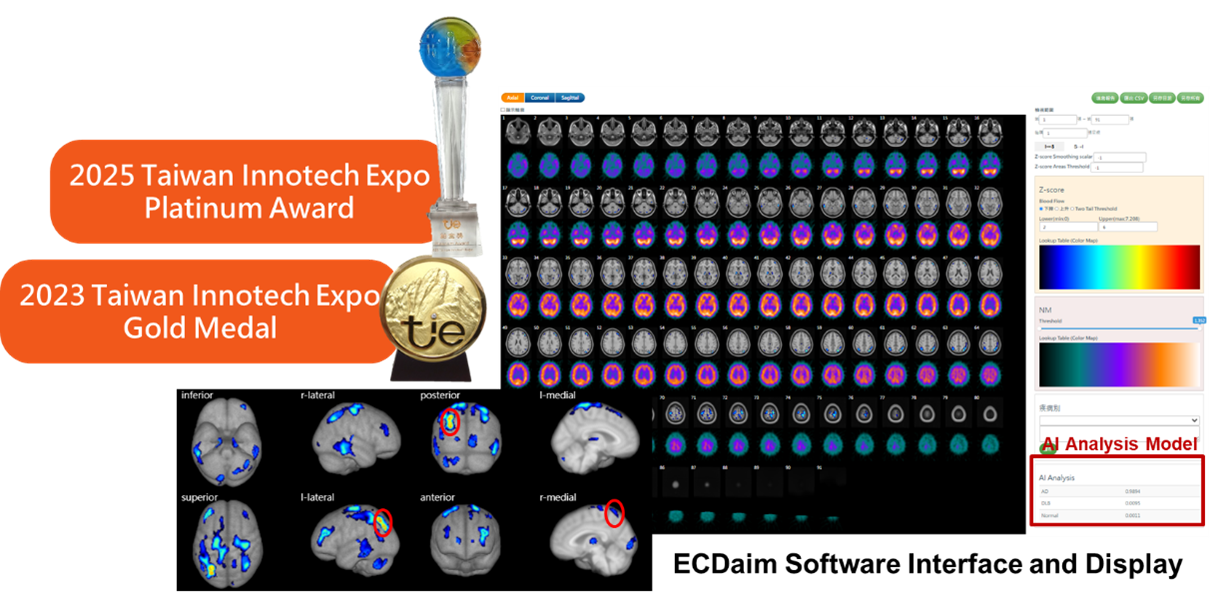
Figure 1: The technology for Cerebral Perfusion Imaging Analysis of abnormalities is protected by relevant patents, with all functions integrated into the ECDaim software

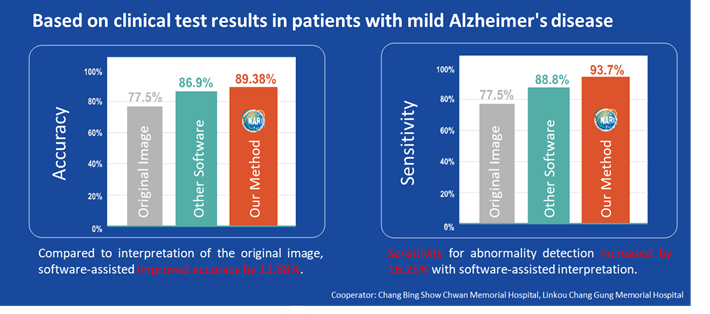
Figure 2: Using analysis software to assist in interpreting images of patients with mild Alzheimer's disease improves both accuracy and sensitivity

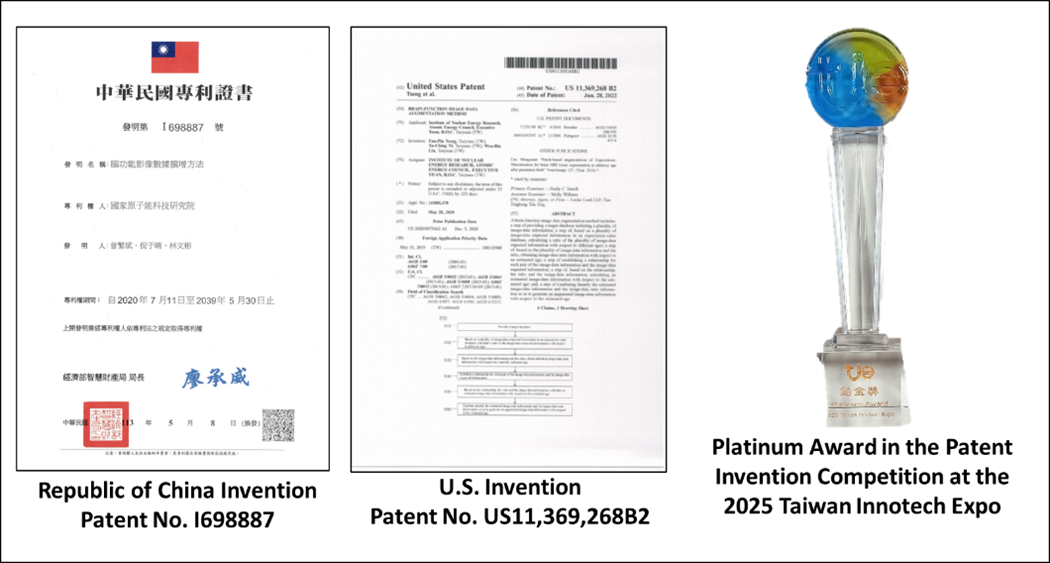
Figure 3: The technology has been granted patents in the United States and the Republic of China and has won a platinum award in a patent competition.

【Project Planning/Technical Applications】
This technology has been integrated into the ECDaim analysis software and is currently available through an open-access platform. In collaboration with major medical centers and research institutions across the country, increased usage by physicians and the accumulation of data not only provide valuable clinical feedback and suggestions but also enable continuous model improvement through rolling learning. This process enhances the system’s performance over time. Additionally, the research team can further refine the technology and expand service functionalities, achieving a mutually beneficial outcome for all stakeholders.
 
【Future Development】
The current focus is on enhancing ECD cerebral perfusion SPECT image analysis, but the data processing technology can also be extended to other brain functional imaging modalities, such as FDG PET and amyloid PET. This technology can be applied to meet the diagnostic needs of various conditions, including dementia, epilepsy, and cerebrovascular occlusion.
 
【Contact Information】
Name: Yu-Ching Ni
Tel:03-4711400 Ext.7685
E-mail:janet@nari.org.tw